Bond: Command Attention with Cinematic Elegance
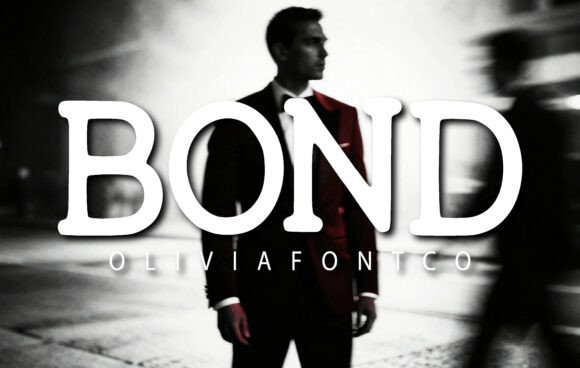
When a design project demands more than just readable text—when it needs to make a statement, to project authority, and to feel inherently premium—the choice of typeface is foundational. Enter Bond, a modern display typeface that steps into the spotlight with the quiet confidence of a leading actor. It’s not just a collection of letters; it’s a design asset built for impact. With its tall, sturdy letterforms and subtly rounded corners, Bond achieves a rare balance: it looks both powerful and approachable, expensive yet accessible. Think of the elegant titles on a classic movie poster or the commanding headline of a high-end magazine. That’s the visual language Bond speaks fluently.
The Anatomy of Authority: Bond's Visual Character
At its core, Bond is a serif font, but it’s a serif for the modern era. Its inspiration is drawn from the world of editorial design and cinematic grandeur, giving it a timeless aesthetic that avoids feeling dated. The letterforms are clean and geometrically informed, with balanced proportions that ensure legibility even at large scales. The slight rounding of the corners softens its presence just enough, preventing it from appearing harsh or rigid. This subtle detail is key—it allows Bond to project strength without sacrificing a certain refined elegance.
This versatility is where Bond truly shines. In a deep navy or charcoal palette, it can feel rugged, masculine, and authoritative—perfect for automotive branding or a luxury watch brand. Switch to a soft cream or metallic gold, and it transforms into something sleek, feminine, and sophisticated, ideal for a high-end cosmetics line or a boutique hotel. The typeface doesn’t impose a single mood; rather, it provides a robust foundation that adapts to your creative vision and color story.
Where Bond Makes Its Mark: Real-World Applications
Understanding a font’s personality is one thing; knowing where to deploy it is another. Bond is a premium font designed for contexts where first impressions are non-negotiable. Its natural habitat is in large-scale applications. Imagine it on a billboard announcing a new luxury sedan, or gracing the cover of a business magazine—the scale allows its tall, confident forms to command the space. It’s a natural fit for logo design and brand identity systems for corporations, financial institutions, and high-end service providers that need to communicate stability and prestige.
Beyond corporate use, consider its role in packaging design. For a premium whisky or artisanal chocolate, Bond on the label instantly signals quality and craftsmanship. In web design, it can be used strategically for hero headers and key call-to-action sections, creating a powerful visual anchor that guides the user’s eye. For social media graphics, a well-set headline in Bond can stop the scroll, adding a layer of professionalism and polish that generic fonts lack.
However, it’s important to remember that Bond is a display font. This means it’s engineered for impact at larger sizes, not for setting long paragraphs of body copy. Using it for a 50-word headline is where it thrives. Using it for a 500-word blog post would likely hinder readability. Think of it as the headline act, not the supporting ensemble.
Mastering the Pairing: From Solo Performance to Dynamic Duets
One of Bond’s greatest strengths is its ability to collaborate. For a minimalist, high-impact look, using Bond alone is a powerful choice. Its clean lines and inherent confidence mean it doesn’t always need a partner. But when it does, the right pairing can elevate a design to new heights.
A classic and sophisticated strategy is to pair this strong serif font with a delicate script font or a refined sans serif font. For example, use Bond for the main headline and a graceful script for a subheading or accent text in a wedding invitation suite or a luxury spa brochure. This creates a beautiful contrast between strength and delicacy, a true “power couple” in typography. Alternatively, pairing Bond with a clean, geometric sans serif font for body copy creates a harmonious and highly readable hierarchy, perfect for a corporate website or a detailed brochure.
Practical Guidance for Your Project
Before integrating Bond into your next project, consider these practical steps:
- Evaluate the Project Fit: Does your project call for a sense of authority, luxury, or cinematic flair? If you’re designing a playful children’s party invite or a casual blog, Bond might be overkill. For a law firm rebrand or a tech startup seeking a bold identity, it’s a strong candidate.
- Test Your Pairings: Don’t just guess. In your design software, set your key headline in Bond and then test various font pairing options for supporting text. Look for contrast in weight, style, and x-height that creates a clear visual hierarchy without conflict.
- Review the Full Family: A quality commercial font like Bond often comes with multiple weights (Light, Regular, Bold, etc.) and sometimes styles (Italic). Explore these variations. A Bond Light can feel more airy and modern, while Bond Bold delivers maximum impact.
- Check Readability at Size: Always test your chosen weight at the actual size it will be used, whether on a mobile screen or a printed poster. Ensure the letter spacing (tracking) is appropriate for the context.
- Understand the License: For any commercial project—whether it’s a client’s logo, a product you sell, or a monetized website—ensure you have the proper commercial font license. This is a non-negotiable part of professional practice.
In the crowded landscape of modern typography, Bond stands out as a creative font with a clear purpose. It doesn’t try to be everything to everyone. Instead, it excels at providing that foundational strength and prestige needed to make a design feel complete, respected, and memorable. When your project needs to step into the spotlight and command attention, Bond is a typeface that delivers on its silent promise of power and class.