Chinese Font: The Bold Display Typeface Taking Over Modern Design
If you’ve scrolled through design inspiration feeds lately, you’ve likely noticed a striking trend: the widespread adoption of the Chinese typeface. This isn't just a fleeting aesthetic; it represents a shift toward bold, unapologetic typography in modern design. As a display font, Chinese commands attention with its sharp edges and heavy weight. It moves beyond simple text to become a central graphic element, offering a distinct personality that blends contemporary flair with structural integrity. For designers, marketers, and content creators, understanding how to harness this specific typeface is key to staying relevant in a visually crowded market.
The Anatomy of Impact: Why the Chinese Typeface Works
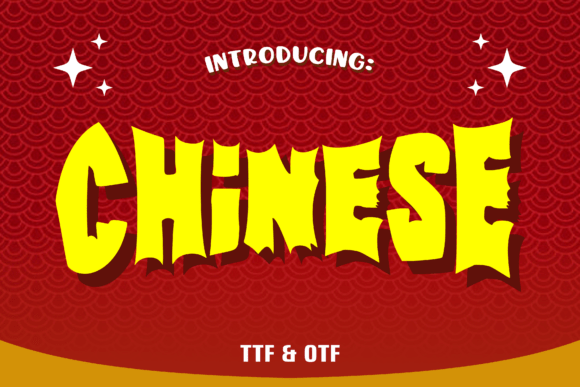
At its core, Chinese is a study in contrast and geometry. Unlike traditional serif font families that rely on subtle strokes and historical references, this typeface embraces a modern, industrial aesthetic. The letterforms are characterized by high x-heights, tight kerning, and sharp, clean lines. This creates a sense of urgency and precision that is difficult to ignore.
The "personality" of Chinese is confident and assertive. It doesn't whisper; it shouts. However, it does so with elegance rather than chaos. The visual weight is balanced carefully, ensuring that even at heavy weights, the letters remain legible at large scales. This makes it a prime candidate for logo design, where instant recognition is paramount. When a brand adopts Chinese, they are signaling a commitment to modernity, strength, and clarity. It serves as a visual anchor, grounding a design layout and providing a strong foundation for other, more subtle design elements.
Strategic Applications: Where to Deploy This Creative Font
The versatility of a premium font lies in its adaptability. While Chinese excels as a headline typeface, its utility spans across various creative industries. Here is how different professionals can leverage its unique style:
- Editorial Design and Publishing: For magazine covers, book jackets, and editorial design, Chinese provides the necessary hierarchy. It draws the eye immediately to the main headline, allowing secondary text to take a backseat. It is particularly effective in genres like crime, thriller, or modern fiction, where tension and drama are required.
- Digital and Web Design: In the realm of web design, this typeface shines in hero sections. Using Chinese for the primary H1 tag sets the tone for the entire user experience. It pairs exceptionally well with clean, minimalist layouts, ensuring that the typography itself acts as the primary decoration.
- Marketing and Social Media: Attention spans are short on platforms like Instagram and TikTok. Social media graphics require fonts that pop instantly. Chinese cuts through the noise, making it ideal for announcements, sale banners, and quote cards. Its bold nature ensures readability even on small mobile screens.
- Packaging and Product Design: In packaging design, shelf presence is everything. A product using Chinese looks premium and contemporary. Whether it’s a high-end tech gadget or a luxury cosmetic line, the font adds a tactile quality to the visual branding.
- Physical Products and Merch: The demand for creative font options in the crafting community is high. Chinese translates beautifully onto physical goods like posters, stickers, and apparel. Its sharp vectors ensure that the design remains crisp whether screen-printed on a t-shirt or cut from vinyl.
Mastering the Pairing: Typography and Hierarchy
A display typeface rarely works in isolation. To maximize the potential of Chinese, you must consider font pairing. Because Chinese is loud and detailed, it requires a partner that is quiet and functional.
A classic approach is to pair this bold display face with a neutral sans serif font for body copy. The sans serif provides breathing room, allowing the reader to digest long-form content without fatigue, while Chinese handles the visual heavy lifting for headings. Alternatively, for a more eclectic, artistic vibe, some designers experiment with pairing it with a subtle script font or handwritten font, though this requires careful balancing to avoid visual clutter.
When working with Chinese, pay close attention to visual hierarchy. Use it for the primary message only. If you use it for sub-headings as well, the design loses its focal point. Let the font breathe; give it ample white space to accentuate its geometric beauty.
Technical Considerations and Licensing
Before integrating any new typeface into a brand identity system, practical evaluation is necessary. First, always review the included styles. Does the Chinese family include multiple weights or oblique versions? Having a range of weights allows for more nuanced hierarchy within the same type family.
Second, consider the context of readability. While Chinese is legible at display sizes, setting a 1000-word article in this font would be a mistake. Display fonts are designed for impact, not endurance. Test the font at the specific size it will be rendered in your final output—whether that is a 4K monitor or a printed A3 poster.
Finally, for entrepreneurs and small business owners, licensing is a critical step. Ensure you are acquiring a commercial font license that covers your specific use case. If you are selling products featuring the font (like t-shirts or mugs), you typically need an extended license. For web design, check if the license supports web embedding (WOFF/WOFF2 files). Respecting licensing protects your business legally and supports the type designers who create these valuable design assets.
Conclusion: Elevating Your Visual Language
The rise of the Chinese typeface is a testament to the power of strong modern typography. It is more than just a set of letters; it is a tool for storytelling. By incorporating this font into your toolkit, you gain the ability to create designs that feel immediate, professional, and culturally relevant. Whether you are refreshing a corporate identity or designing a flyer for a local event, Chinese offers the visual impact necessary to leave a lasting impression.