Fruit: A Playful Display Font for Vibrant Designs
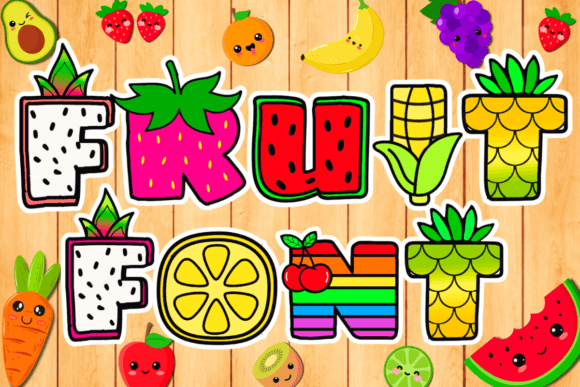
There are times when a project calls for more than just clean lines and professional neutrality. Sometimes, you need a typeface that brings immediate personality, a burst of color, and a sense of fun. That’s precisely where the Fruit font comes in. This isn't your typical sans serif font or a classic serif font. Instead, Fruit is a premium font and a unique display font where each letterform is meticulously crafted to resemble a different piece of fruit. It’s a vibrant, whimsical, and incredibly creative asset that can transform a standard design into something memorable and engaging.
The Anatomy of a Fruity Typeface
At its core, the Fruit typeface is a masterclass in themed illustration. Imagine an 'A' built from the segments of a kiwi, a 'B' shaped like a bunch of grapes, or an 'S' that mimics a twisting vine with a berry attached. The visual personality is unapologetically playful, energetic, and cheerful. The style is perfect for projects that aim to feel approachable, organic, or lighthearted. It bypasses the formal structure of most modern typography and leans into a handcrafted, illustrative feel. This makes it far more than just a creative font; it's a collection of miniature artworks.
For designers and creators, a key feature is the inclusion of PNG files for each letter. This is a practical consideration that elevates its usability. You can drop these full-color, high-resolution fruit letters directly into any design software, social media platform, or presentation without worrying about font installation or compatibility issues. This flexibility makes the Fruit font an incredibly versatile component of any designer's design assets library.
Strategic Applications for Maximum Impact
Understanding where a font like this shines is key to using it effectively. Its bold, illustrative nature means it’s best suited for headlines, logos, and short, impactful text rather than long-form body copy. Here’s how different professionals can leverage its unique charm.
- Branding and Logo Design: For businesses in the food, wellness, children's products, or lifestyle sectors, the Fruit font can be a cornerstone of a memorable brand identity. A juice bar, a farm-to-table restaurant, or an organic skincare line could use it to instantly communicate freshness and a fun-loving ethos. It works exceptionally well in logo design for brands that want to stand out with a playful, approachable image.
- Packaging Design: On a shelf crowded with minimalist and sterile designs, a product using the Fruit typeface will grab attention. It’s ideal for snack packaging, beverage labels, or artisanal goods where the goal is to convey a sense of natural ingredients and joyful consumption.
- Marketing and Social Media: In the fast-scrolling world of social media, stopping power is everything. Using Fruit for headlines in Instagram posts, Facebook ads, or Pinterest graphics can instantly increase engagement. It’s perfect for promoting summer sales, healthy recipes, or community events. The font’s inherent personality makes it highly shareable.
- Publishing and Editorial Design: While not for the body text of a novel, Fruit can be a fantastic choice for editorial design elements. Think chapter titles in a children's book, headers in a food magazine, or the cover of a cookbook. It brings a thematic consistency and visual delight that a standard script font or handwritten font might not achieve.
- Web Design and Digital Content: When used strategically, Fruit can add a memorable touch to web design. It could be used for a 404 error page ("Oops, something's fruity!"), a special announcement banner, or the main headline on a landing page for a related product. Its use in social media graphics is almost a guaranteed way to boost visual interest.
Practical Guidance for Choosing and Using Fruit
Before integrating any commercial font into a project, especially one as distinct as this, a thoughtful evaluation process is necessary. Here are some practical steps for designers, marketers, and entrepreneurs.
Evaluating Project Fit and Audience
The first question is always: does this font match the project's tone and target audience? Fruit is perfect for a brand targeting a young, family-oriented, or health-conscious demographic. It would feel out of place, however, for a law firm or a luxury watch brand. Always consider the psychological impact of a typeface. The playful, organic shapes of Fruit communicate fun, freshness, and creativity—values that must align with the project's goals.
Mastering Font Pairing and Hierarchy
A display font like Fruit needs a strong partner. Its highly decorative nature means it should be balanced with a clean, legible font for body text. An excellent font pairing strategy would be to use Fruit for the main headline and pair it with a simple, neutral sans serif font like Lato, Open Sans, or Montserrat for subheadings and body copy. This creates a clear visual hierarchy, ensuring the design is both eye-catching and readable. Using two decorative fonts together would likely result in a cluttered and confusing layout.
Considering Readability and Context
While the individual letters of Fruit are beautifully designed, readability at small sizes or in long sentences can be a challenge. This is a common trait of many creative font styles. It’s best used for short words or phrases where the artistic shape of each letter can be appreciated. Test it at the intended size to ensure the "fruit" concept is still clear. For web use, consider using the provided PNG files for critical headings to guarantee perfect rendering across all browsers.
Reviewing Licensing and Assets
For any professional project, understanding the license is non-negotiable. Since Fruit is a premium font, it typically comes with a commercial license, but you must verify the terms. Does the license cover the number of users or projects you anticipate? Are you permitted to use it in client work, on merchandise, or in digital products? The inclusion of PNG files is a significant benefit, but confirm that the license extends to their use as well. This due diligence protects you and your clients and ensures you are using the design assets correctly.
In a world of ubiquitous typefaces, the Fruit font offers a refreshing and vibrant alternative. It’s a tool for designers and creators who aren’t afraid to inject personality and color into their work. By understanding its strengths and applying it thoughtfully, you can create designs that are not only visually stunning but also communicate your brand's message with a unique and joyful voice.