Cartoon Carving: A Bold, Playful Font for Creative Projects
There's a particular kind of energy that jumps off the page when a design gets its typography right, especially when the goal is to be fun, approachable, and memorable. In a world of clean sans serifs and elegant serifs, a typeface like Cartoon Carving arrives like a burst of confetti. It’s not just a font; it’s a personality. This isn't the quiet, professional typeface for your quarterly report. It’s the loud, enthusiastic friend who shows up to the party with a box of crayons and a head full of ideas. For designers, entrepreneurs, and creators looking to inject a dose of unfiltered joy into their work, understanding this font is a practical first step.
The Anatomy of a Cartoon Typeface
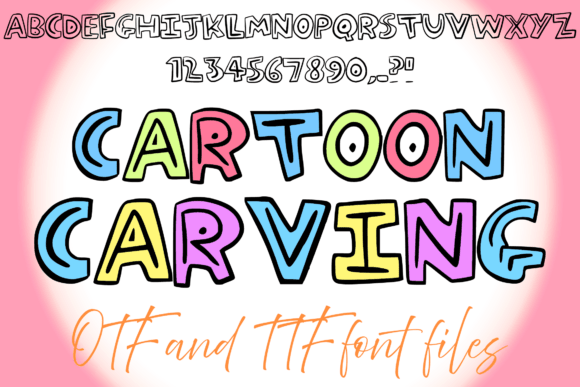
At its core, Cartoon Carving is a premium font designed as a display typeface. This means its primary purpose is for headlines, logos, and short bursts of impactful text, not for setting long paragraphs of body copy. Its visual character is unmistakable. Imagine letters that look like they were drawn by a confident hand with a chunky marker, then carefully outlined. The shapes are rounded and substantial, with a hand-drawn imperfection that feels authentic and human. This isn't a sterile, vector-perfect font; it has the charming irregularity of a handwritten font, but with a boldness and consistency that makes it highly functional.
The real magic lies in its versatility. Cartoon Carving typically comes in two key styles: a solid, filled version and a clean outline version. The solid style delivers maximum impact with its chunky, colorful forms—perfect for a vibrant logo design or a children's book cover. The outline style offers a different kind of energy, feeling lighter and more illustrative, which can be fantastic for layering over images or creating a more subtle graphic effect. This duality makes it a surprisingly flexible creative font for a range of moods, from energetic and loud to playful and whimsical.
Where This Font Truly Shines
Knowing where to deploy a typeface like Cartoon Carving is key to its success. Its personality is so strong that it will dominate any context it's placed in, so you need to choose projects where that dominance is a benefit, not a distraction.
In brand identity, this font is a natural fit for businesses that want to project friendliness, creativity, and a touch of nostalgia. Think of a local ice cream shop, a creative workshop for kids, a quirky stationery brand, or a podcast about comic books. Using Cartoon Carving for the logo and primary headings instantly sets a tone that is approachable and fun. It tells your audience, "We don't take ourselves too seriously, and we love what we do."
The applications extend far beyond logos. It’s a powerhouse for:
- Publishing and Editorial Design: It’s perfect for chapter titles in middle-grade novels, cover art for graphic novels, and playful headers in magazines aimed at a younger or creative demographic.
- Packaging Design: A product on a shelf has seconds to make an impression. A font like this can make a toy box, a snack package, or a craft supply kit leap off the shelf with its vibrant, hand-crafted appeal.
- Digital and Social Media: In the fast-scroll world of social media, eye-catching social media graphics are non-negotiable. Use it for YouTube thumbnails, Instagram story headers, or bold statements in video content to grab attention immediately. For web design, it can be used sparingly for key call-to-action buttons or hero section headlines to inject personality.
- Events and Marketing: Posters for a local fair, flyers for a summer camp, or banners for a community event will feel more inviting and energetic with a typeface that embodies fun.
Making It Work: Practical Guidance for Designers
Adopting a bold display font requires a bit of strategy. Here’s how to integrate Cartoon Carving effectively without overwhelming your design.
Font Pairing is Everything. A font this expressive needs a quiet partner. Pair it with a simple, clean sans serif font or a highly readable serif font for body text. Think of pairing Cartoon Carving with something like Open Sans, Lato, or a classic Garamond. The contrast creates a clear visual hierarchy: the cartoon font grabs attention for the headline, while the companion font delivers the detailed information in a calm, legible way. Avoid pairing it with another script font or a similarly decorative typeface, as they will compete for attention and create visual chaos.
Test for Readability. While it's designed for impact, always test your headline at the size it will be viewed. At very small sizes, the intricate details of a hand-drawn font can become muddy. Its strength is in large-scale applications. Use it for the title, not the fine print on the back of the package. This is a core principle of using any creative font effectively.
Consider Your Audience and Context. Cartoon Carving is a fantastic commercial font for specific markets, but it would be the wrong choice for a law firm's website or a luxury watch brand's brochure. The font's personality must align with the brand's personality and the project's goals. It’s a tool for connection, and it connects best with audiences who appreciate playfulness and creativity.
Review the Full Package. A quality premium font often comes with more than just the basic alphabet. Look for what’s included: extended character sets for multiple languages, punctuation marks, numbers, and stylistic alternates. These extras provide more design assets to work with and allow for greater customization in your projects.
Ultimately, a typeface like Cartoon Carving is more than just a collection of letters. It’s a modern typography tool that carries a specific emotional weight. Used thoughtfully, it can transform a standard design into something that feels personal, engaging, and full of life. It’s about matching the tool to the task, and for the right project, this font doesn't just deliver a message—it delivers an experience.