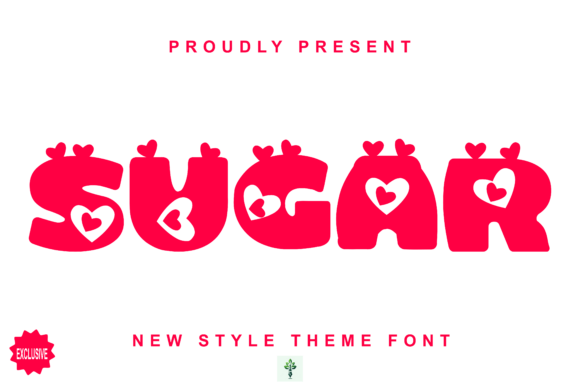
Sugar Font: A Dynamic Creative Asset for Modern Branding
Visual Character and Design Personality
Sugar is a premium display typeface that immediately commands attention through its vibrant energy and bold visual presence. Unlike traditional serif or sans serif fonts designed primarily for body text, Sugar operates in the realm of expressive typography where personality takes precedence over neutrality. Its letterforms feature dynamic curves, unexpected angles, and a sense of movement that makes each character feel alive on the page or screen.
The visual DNA of Sugar draws from contemporary design trends while maintaining enough originality to avoid feeling derivative. You'll notice its carefully balanced weight distribution, which creates a rhythmic flow when words are composed together. This isn't a font that whispers—it speaks with confidence, making it particularly valuable when you need typography that does more than simply convey information.
What sets Sugar apart from other creative fonts is its versatility within the display category. While many expressive typefaces sacrifice legibility for style, Sugar maintains a careful equilibrium. The letter spacing, counter shapes, and overall x-height work together to ensure that even at its most stylistic, the font remains functional across various applications.
Where Sugar Shines: Practical Applications
In my experience working with various design projects, fonts like Sugar prove their worth in specific contexts rather than attempting to serve every typographic need. Here's where this typeface genuinely excels:
Logo Design and Brand Identity
Sugar works exceptionally well for brands targeting audiences who appreciate creativity, energy, and modernity. Think lifestyle brands, creative agencies, entertainment companies, or any business that wants to project an innovative image. The font's personality can become a cornerstone of visual identity, helping brands stand out in crowded markets where generic typography fails to make an impression.
However, I'd recommend pairing Sugar with a more restrained sans serif font for supporting text. This contrast creates visual hierarchy while ensuring your brand communications remain readable across different contexts—from business cards to website headers.
Packaging Design
Product packaging benefits enormously from typography that captures attention quickly. Sugar's dynamic character makes it suitable for food and beverage brands, cosmetics targeting younger demographics, or any consumer product competing for shelf presence. The font communicates energy and modernity, which can influence purchasing decisions at the point of sale.
Social Media Graphics
For social media content creators and marketers, Sugar offers a way to create thumb-stopping visuals. Instagram stories, YouTube thumbnails, and Pinterest pins all benefit from bold typography that reads well even at small sizes or when viewed briefly. The font's inherent energy translates effectively to these fast-scrolling environments.
Editorial Design
Magazine headlines, book covers, and digital publication headers represent another strong application. Sugar can inject personality into editorial layouts without overwhelming the reading experience, provided it's used strategically for display purposes while body text remains in a complementary, more legible typeface.
Typography Fundamentals: How Sugar Influences Your Projects
Understanding how a font like Sugar affects design outcomes helps you make informed decisions about when and how to implement it.
Visual Hierarchy
Display fonts serve a specific purpose in typographic hierarchy—they grab attention and establish tone. Sugar fulfills this role effectively because its visual weight and stylistic presence naturally draw the eye. When used for headlines or key messaging, it creates a clear entry point for viewers, guiding them through your content in a deliberate sequence.
Brand Perception
Typography silently communicates brand values. Sugar's energetic, modern aesthetic suggests innovation, creativity, and forward-thinking—qualities that resonate with audiences who identify as early adopters or creative professionals. This makes it particularly valuable for startups, creative studios, and brands positioning themselves as industry disruptors.
Audience Engagement
Bold, distinctive typography can increase engagement by making content more memorable and shareable. When your visual materials stand out through thoughtful font selection, audiences are more likely to notice, remember, and interact with your messaging.
Practical Guidance for Implementation
Evaluating Project Fit
Before selecting Sugar for any project, consider your audience, context, and communication goals. Ask yourself whether the font's personality aligns with your brand voice and whether the application supports display typography. If you're designing a legal document or medical brochure, Sugar won't serve you well. But for a music festival poster or fashion brand identity, it could be exactly what you need.
Testing Font Pairings
Effective font pairing creates harmony through contrast. Sugar works well alongside clean sans serif fonts like Helvetica, Inter, or Montserrat. The key is ensuring sufficient contrast in style while maintaining consistency in quality and professionalism. Test combinations at various sizes to verify they work together across different media.
Readability Considerations
Even the most beautiful font fails if audiences can't read it. Test Sugar at the specific sizes and in the specific contexts where it will appear. Check how it renders on different screens, in print, and under various lighting conditions. Adjust letter spacing, line height, and color contrast as needed to optimize legibility.
Licensing and Commercial Use
Always verify licensing terms before using any font commercially. Most premium fonts like Sugar include clear licensing information that specifies permitted uses. Understanding these terms protects you legally and ensures you're respecting the type designer's intellectual property.
Final Thoughts on Choosing Creative Typography
Selecting the right font involves balancing aesthetic preferences with practical requirements. Sugar represents a specific category of design asset—expressive, energetic, and attention-commanding. When used thoughtfully in appropriate contexts, it can elevate your creative projects and strengthen your visual communication. The key lies in understanding both its strengths and limitations, then applying it where those strengths create genuine value for your audience and your brand.