Writing: The Handwritten Font for Modern Branding
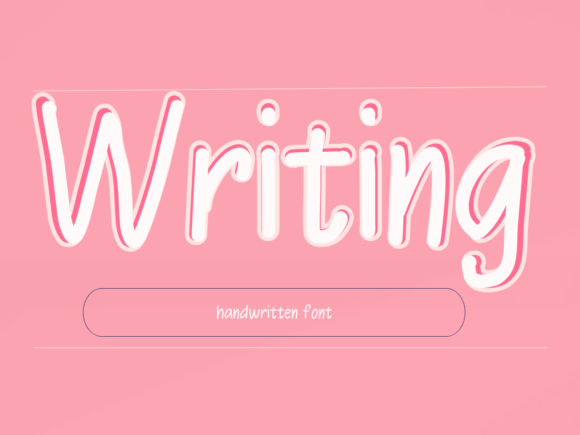
There’s a particular quality to Writing that catches the eye immediately. It isn’t just another script font; it feels personal, like a note passed in class or a signature on a cherished letter. In a world saturated with sterile, geometric sans serif fonts, Writing offers a breath of fresh air. It provides that organic, human touch that modern typography often strips away. If you are looking for a typeface that bridges the gap between casual elegance and legible design, this premium font is a strong contender. It avoids the chaotic loops of traditional cursive while maintaining a distinct, hand-crafted personality that makes logos and branding materials pop.
The Anatomy of a Creative Font
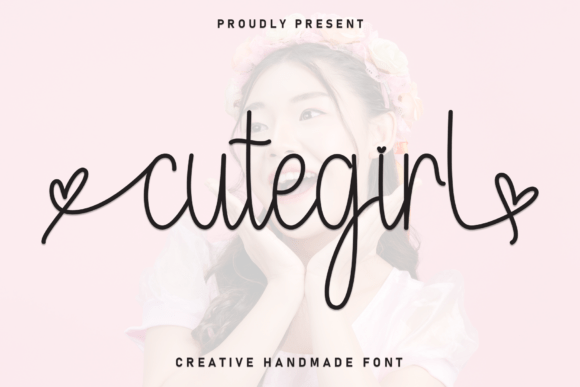
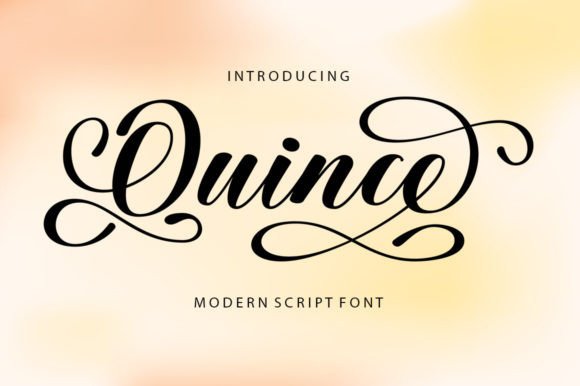
Visually, Writing is defined by its balance. Many script fonts suffer from being too ornate, making them difficult to read in smaller sizes. Writing, however, strikes a chord between a loose, free-flowing style and structured clarity. Every letter has a unique character, yet they connect seamlessly to form words that feel fluid and alive. The strokes vary in weight, mimicking the pressure of a real pen or brush tip. This nuance is crucial for brand identity. When you use a handwritten font like this, you are injecting personality into your design assets. It feels approachable and authentic, which is exactly what consumers in the 20-50 demographic respond to. They are tired of corporate stiffness; they want brands that feel human. Writing delivers that humanity without sacrificing the professionalism required for commercial use.
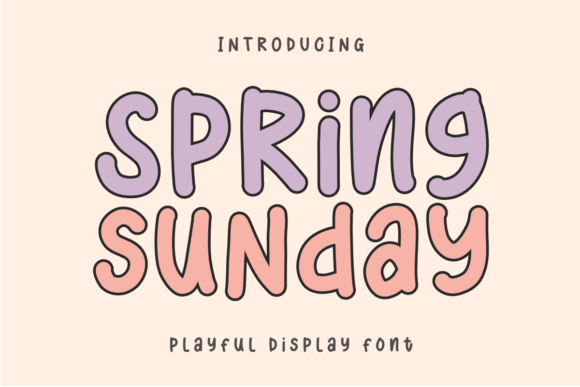
It is a display font at its core, meaning it shines brightest when given room to breathe. Think of it as the lead actor on a stage. You wouldn't want to use it for a 500-page legal document, but for a headline, a logo, or a pull quote, it commands attention. The visual weight of the font helps create an immediate visual hierarchy, drawing the viewer’s eye exactly where you want it to go. Unlike a standard serif font or sans serif font, which blends into the background of a page layout, Writing steps forward. It tells the audience, "Look here first." This makes it an invaluable tool for editorial design where breaking up long blocks of text is necessary to keep readers engaged.
Strategic Applications: Where Writing Belongs
Understanding where to deploy a creative font like Writing is half the battle. Because of its organic nature, it excels in specific environments. For logo design, particularly for lifestyle brands, bakeries, boutiques, wedding planners, or artisanal goods, the font does the heavy lifting of establishing a "vibe." It suggests that the product is made with care and attention to detail. The font effectively replaces the need for a custom calligraphy commission, offering a high-end look at a fraction of the cost.
In the realm of packaging design, readability is king, but personality is the queen. Writing works beautifully on product labels where you need to convey flavor, scent, or origin. Imagine a coffee bag or a candle label; the handwritten style suggests warmth and craftsmanship. It pairs exceptionally well with a clean, geometric sans serif font for the product details. This font pairing strategy creates a sophisticated contrast: the flair of the handwritten header grounded by the stability of the body text.
Digital spaces also benefit greatly from this typeface. Web design often feels cold due to the reliance on screen-optimized system fonts. Using Writing for website headers or call-to-action buttons can soften the user experience. Similarly, for social media graphics, where you have split seconds to grab attention, the distinctiveness of this font helps stop the scroll. It feels personal and direct, much like a handwritten note from a friend. Whether you are a blogger creating a featured image or a marketer designing an Instagram story, this font adds an emotional layer that standard text simply cannot match.
Practical Guidance for Designers and Creators
Adopting a new typeface into your workflow requires more than just liking how it looks. As a designer or business owner, you need to evaluate the practical implications. First, consider the commercial font licensing. Ensure that the license covers your intended use, whether it is for client work, merchandise, or digital products. Most premium fonts come with clear licensing terms, but it is always a professional necessity to check.
Next, test the font's versatility. Does Writing hold up when scaled down? While it is a display font, you still want the "W" and the "M" to be distinguishable at smaller sizes for things like sub-headers or captions. Experiment with letter spacing (tracking). Handwritten fonts often benefit from being spaced out slightly more than traditional fonts to prevent the connecting strokes from clashing. This improves readability and gives the text a more airy, elegant feel.
Think about the context of your brand identity. If your brand is serious, scientific, or highly technical, a handwritten font might send the wrong signal. However, if your brand values creativity, connection, or tradition, Writing is a perfect fit. It acts as a bridge between the digital and the physical world. In a PDF brochure or a printed flyer, the texture of the font comes alive on paper, reinforcing the tactile nature of your business.
Finally, don't overuse it. The power of a handwritten font lies in its novelty and emphasis. If you write an entire paragraph in Writing, it becomes tiring to read and loses its impact. Use it strategically for the "punch"—the headline, the logo, the key takeaway. Let the supporting cast—a reliable serif or sans serif—handle the heavy lifting of the body copy. By respecting the font's strengths and limitations, you ensure that your designs remain professional, legible, and emotionally resonant. Writing is a tool, and like any good tool, it works best when used with intention.