Toy Story Font: Adding Colorful Whimsy to Modern Designs
In the crowded landscape of modern typography, finding a typeface that bridges the gap between professional polish and playful energy can be a challenge. Many sans serif fonts feel too sterile, while overly decorative script fonts can compromise readability. Enter Toy Story, a premium font that captures the essence of childhood nostalgia while maintaining the structural integrity required for adult-facing design projects. It is not merely a novelty; it is a versatile tool for designers, marketers, and entrepreneurs looking to inject a specific kind of optimism into their visual communication.
The Personality and Visual Style of Toy Story
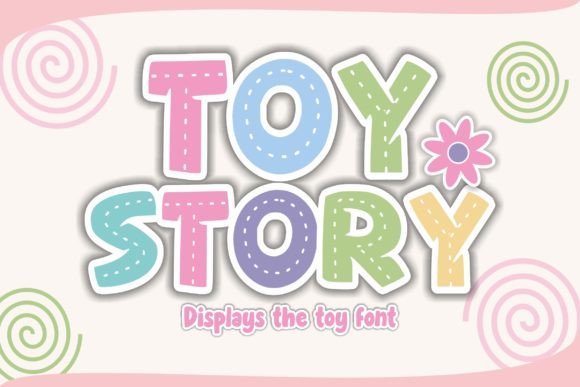
At its core, Toy Story is a display font characterized by its rounded terminals, consistent stroke width, and cheerful aesthetic. It avoids the sharp, aggressive angles often found in modern tech branding, opting instead for smooth curves that feel welcoming and safe. The letterforms are designed with a modern sensibility, meaning they look crisp on digital screens and clean on printed materials. This isn't a traditional handwritten font that mimics messy cursive; rather, it offers a structured, almost bubbly appearance that suggests reliability mixed with fun.
The visual weight of the font is balanced perfectly. It feels substantial enough to act as a headline but airy enough not to overwhelm a layout. When you look at the individual characters, you notice subtle quirks—a slight bounce in the baseline or a unique curve in the tail of the "y"—that give it personality without crossing into illegibility. This makes Toy Story an excellent candidate for creative font pairings. It sits comfortably alongside a clean sans serif for body copy or can be used as a standalone hero element for sticker designs and posters.
Strategic Applications: Where Toy Story Shines
Understanding where to deploy a typeface is just as important as selecting it. Toy Story excels in environments where audience engagement and emotional connection are paramount. Its utility spans a wide range of creative and commercial sectors, proving that a "fun" font can also be a serious business asset.
Branding and Marketing
For small business owners, particularly those in the children’s products, food and beverage, or lifestyle sectors, brand identity is everything. Using Toy Story in your logo design or packaging design signals to your customers that your brand is approachable, optimistic, and modern. It works exceptionally well for:
- Boutique Packaging: Think artisanal candy, craft sodas, or children's clothing. The font adds a tactile quality to the packaging, making the product feel like a gift.
- Event Invitations: Whether it is a birthday party, a corporate family day, or a community festival, this typeface sets the mood immediately upon the first glance.
- Social Media Graphics: In the fast-scrolling environment of Instagram or TikTok, Toy Story captures attention. It is perfect for quotes, sale announcements, and interactive stories where you want the text to feel conversational and loud.
Publishing and Editorial Design
While not intended for long-form body text, Toy Story is a powerhouse in editorial design for specific contexts. Publishers of children’s books, magazines for tweens, or comic strips will find this font invaluable. It brings a pop of color to chapter headings, pull quotes, and cover art. The font’s inherent whimsy makes it ideal for educational materials where you want to reduce the intimidation factor of learning new concepts. It transforms dry information into an engaging visual experience.
Digital and Web Design
In the realm of web design, user experience relies heavily on visual hierarchy. Toy Story is perfect for landing pages targeting a younger demographic or families. It can be used for call-to-action buttons (CTAs) where a friendly nudge is needed rather than a hard command. It also pairs well with modern typography trends that favor rounded UI elements and soft color palettes. However, designers must be mindful of load times; ensuring the font file is optimized for the web is a crucial technical step.
Influence on Perception and Engagement
Typography is the voice of your brand. Choosing a font like Toy Story influences how your audience perceives your message before they even read the words. It triggers an emotional response associated with play, creativity, and hope.
Visual Hierarchy: Because it is a display font, Toy Story naturally draws the eye. Use it to establish a strong hierarchy where headers need to stand out against dense text blocks. Its high readability at larger sizes ensures that your primary message isn't lost.
Brand Consistency: If your brand identity is built around values like inclusivity, creativity, or joy, this font helps cement that image. Consistent use of the font across different touchpoints—from stickers and merchandise to email headers—builds recognition and trust.
Audience Engagement: People are naturally drawn to things that make them feel good. A design utilizing Toy Story feels less corporate and more human. For entrepreneurs, this can translate to higher engagement rates on marketing materials because the content feels accessible rather than distant.
Practical Guide to Implementation
Integrating a new typeface into your workflow requires more than just installation. To get the most out of Toy Story, consider these practical guidelines for designers and creators.
Evaluating Project Fit
Before committing to the font, evaluate the context. Toy Story is a creative font, but it isn't a universal solution. It likely wouldn't fit a corporate law firm's annual report or a high-fashion luxury brand that relies on stark minimalism. It thrives in spaces that value warmth and connection. Ask yourself: Does this project need to feel serious, or does it need to feel inviting? If the answer is inviting, you have the right match.
Testing Font Pairings
The best way to highlight the charm of Toy Story is to pair it with a neutral partner. A geometric sans serif font works beautifully for body text, providing a clean, readable counterpoint to the decorative nature of the headlines. Avoid pairing it with other highly stylized fonts, such as a complex script font or a heavy serif font, as this will create visual clutter and confuse the reader's eye. Let Toy Story be the star of the show; give it room to breathe.
Readability and Licensing
Always test your designs at the intended output size. While Toy Story is designed for legibility, overly complex backgrounds or poor color contrast can still hinder performance. Ensure there is sufficient white space around the text.
Furthermore, if you are using this for commercial projects, verify the licensing. A premium font usually comes with a license that covers digital ads, physical merchandise, and print media, but it is your responsibility as the creator to ensure compliance. This protects both the font designer and your business.
Toy Story offers a refreshing break from the rigid, often cold typography that dominates the digital landscape. It brings a necessary dose of humanity and color to design assets. Whether you are crafting a brand identity for a new startup, designing a poster for a local event, or creating digital stickers for a mobile app, this typeface provides the modern style and hopeful aesthetic needed to connect with your audience on a deeper level. It is a reminder that design should, above all, be an enjoyable experience.